Home / Articles
Pelvic Floor Weakness After Birth? Here's How to Regain Control
Home / Articles
Pelvic Floor Weakness After Birth? Here's How to Regain Control
Many women describe the weeks and months after childbirth as a beautiful blur — the soft weight of a newborn on your chest, the exhaustion that feels strangely sweet, the shift in priorities that happens almost overnight. But there’s another shift women talk about quietly, almost always at the end of a visit when the baby is asleep and the room feels safe enough.
It’s the moment a new mother leans forward and whispers:
For many postpartum women, pelvic floor weakness becomes an unexpected, lingering challenge. It shows up in small, frustrating ways — leaking a little when you laugh, difficulty holding urine on a long walk, a feeling of heaviness in the pelvis, or discomfort during intimacy. Some women blame themselves; others assume it’s “normal” and must simply be endured.
At Juyeon Women’s Clinic, we want to say something clearly and compassionately:
In this article, we’ll walk through what pelvic floor weakness really is, why it often follows childbirth, and how modern treatments — both medical and non-invasive — can help you regain strength, control, and quality of life.
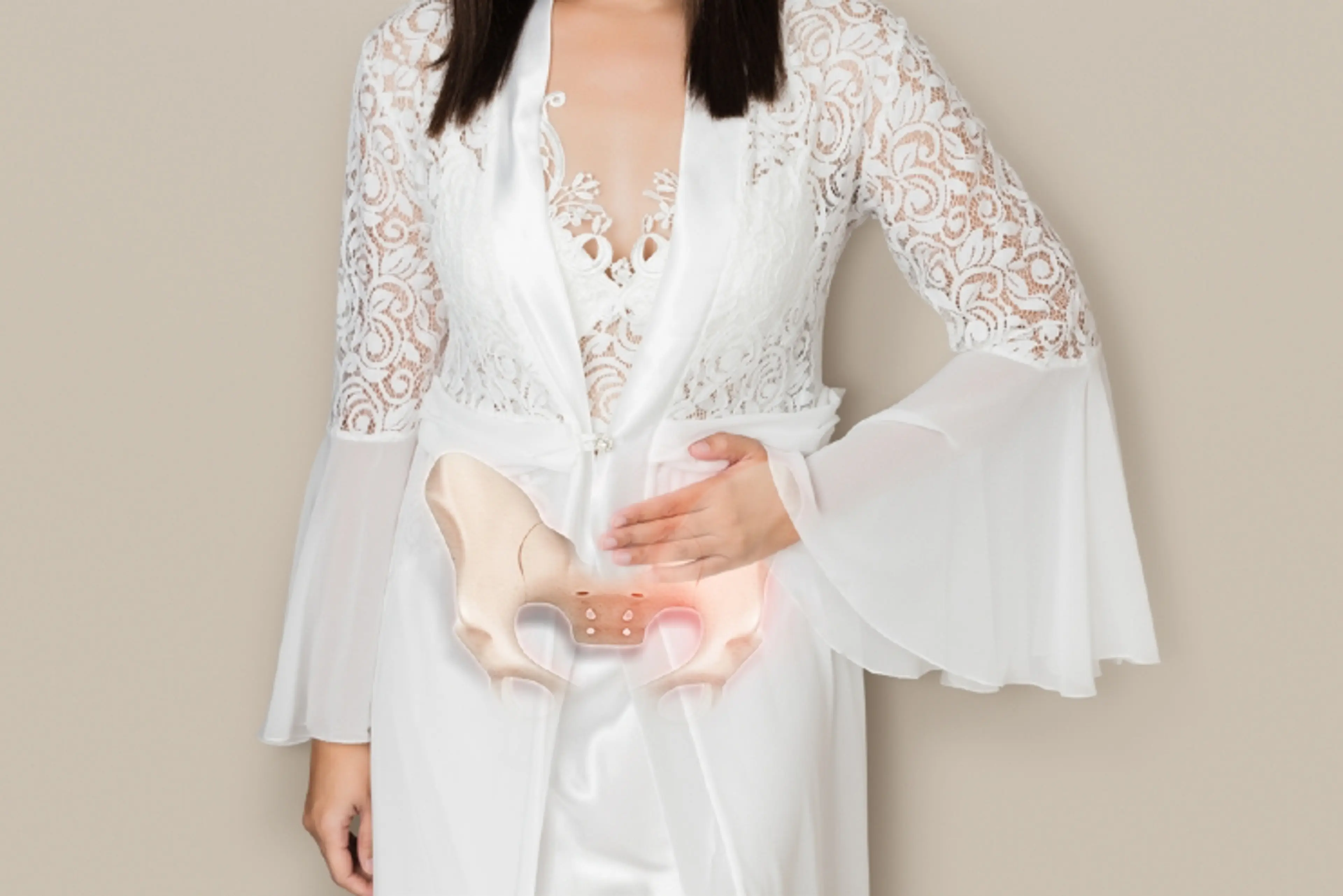
The pelvic floor is a supportive “hammock” of muscles and connective tissue that holds the bladder, uterus, and rectum in place. It also plays an essential role in:
Bladder and bowel control
Vaginal tone and sexual function
Core stability
Pelvic organ support
During pregnancy and childbirth, these muscles stretch far beyond their usual capacity. To be honest, many women don’t realize how much strain the pelvic floor endures until months later, when symptoms appear unexpectedly during daily life.
Pelvic floor weakness occurs when these muscles lose tone or coordination, leading to challenges that can feel both physical and emotional.
You might be surprised to learn that pelvic floor changes don’t only happen during delivery — they start months earlier.
Hormones like relaxin soften ligaments and muscles to prepare the body for delivery. While this is necessary, it can temporarily reduce the strength and stability of pelvic floor muscles.
Even before labor begins, the growing uterus places consistent downward pressure on the pelvic floor. Many women compare this to “carrying a heavy backpack on your pelvis” for nine months.
Vaginal birth can stretch pelvic floor muscles up to three times their normal length. This is an incredible adaptive capacity — but recovery takes time.
Tears, episiotomies, or instrument-assisted deliveries (forceps, vacuum) can lengthen healing time or contribute to muscle imbalance.
Many women are surprised by this, but pregnancy itself — not only delivery — can weaken pelvic floor function. So even with a C-section, pelvic symptoms can still appear.
Women describe symptoms differently, but the patterns are surprisingly consistent:
A few drops when you cough, sneeze, lift your baby, or jump.
Feeling like you “can’t wait,” even with a nearly empty bladder.
A feeling that the vagina is wider or less supported — often noticeable during exercise or intimacy.
As though something is “falling” or “dragging” inside the pelvis.
Changes in muscle tone can affect both sensation and comfort.
A weak pelvic floor affects the entire core, often leading to posture changes and back strain.
If you’ve been trying to ignore these symptoms, please know you’re not alone — and you didn’t do anything wrong. Having a baby changes the body in powerful ways, but healing is absolutely possible.
Every recovery path is different, but here’s what we typically see in clinical practice:
Mild symptoms often improve within 3–6 months
Moderate symptoms may last 6–12 months
Without intervention, some issues can persist for years
One thing most women don’t realize is this:
Just like a sprained ankle needs targeted exercises and sometimes medical support, pelvic floor muscles need appropriate, evidence-based care to regain tone and coordination.
There is no one-size-fits-all solution. The best approach depends on your symptoms, recovery stage, and personal comfort.
At Juyeon Women’s Clinic, we begin with a private, thoughtful consultation — not just a checklist of symptoms, but a conversation about how these changes are truly affecting your daily life.
Below are the most effective, medically supported ways to restore pelvic strength.
Here’s why:
Most women don’t isolate the correct muscles
Over-tightening can worsen symptoms
Breathing patterns affect success
When taught properly — sometimes with the help of a pelvic floor specialist — targeted exercises can significantly improve muscle control.
Slow and fast contraction cycles
Correct breathing techniques
Core stabilization
Relaxation phases to avoid muscle fatigue
It’s not about squeezing harder; it’s about retraining coordination — much like restoring elasticity to delicate silk.
Ideal for women with:
Persistent leakage
Heavy or dragging sensations
Coordination difficulties
Pain during sex
Physical therapy may include:
Biofeedback (showing how the muscles are working)
Manual therapy
Muscle balancing
Behavioral training for bladder habits
Many patients tell us that physical therapy was the first time they truly understood how their pelvic muscles function.
Modern women often want effective results without long downtime — especially when caring for a newborn. Energy-based treatments can gently stimulate collagen, improve tissue elasticity, and enhance muscle responsiveness.
One advantage of these technologies is that they work even when exercise alone hasn’t produced the desired improvement.
At Juyeon Women’s Clinic, we use clinically validated, safety-standard systems appropriate for postpartum bodies. These treatments are discreet, comfortable, and completed in just 20–30 minutes.
Many mothers don’t realize this, but:
During breastfeeding, estrogen levels naturally drop, which may lead to:
Vaginal dryness
Slower tissue recovery
Reduced elasticity
For some women, this dryness creates discomfort during sex and makes pelvic floor training more difficult.
A tailored hormonal assessment — especially by an OB-GYN certified in menopause and hormonal care — can guide treatment toward restoring vaginal comfort and supporting pelvic tissue health.
In cases of more pronounced weakness, stretched tissue, or visible laxity, minimally invasive vaginal rejuvenation may be recommended.
This is not cosmetic in the shallow sense — it’s functional.
When performed by a specialist, tightening procedures can:
Restore vaginal support
Improve urinary control
Enhance sensation
Rebalance muscle coordination
These treatments require precision, anatomical expertise, and deep understanding of postpartum physiology — a specialty focus at Juyeon Women’s Clinic.
Small daily changes can accelerate recovery:
Avoiding heavy lifting for the first months postpartum
Using proper lifting technique (exhale and engage core)
Managing constipation with fiber and hydration
Resting the pelvis between exercise sessions
Returning to high-impact workouts gradually
One thing we often tell patients: healing is not linear. Some weeks feel stronger; others feel like setbacks. This is normal, and your body is still adapting.
There’s a part of the healing journey that isn’t always discussed in medical articles but comes up again and again in consultations:
Pelvic changes can affect:
Confidence
Sexual well-being
Body image
Daily habits
Relationship comfort
Many women say they waited months — even years — to seek help because they felt embarrassed to bring it up. We want you to know:
At a women’s clinic specializing in gynecology, postpartum care, and intimate wellness, these conversations are not unusual. They are welcome. They are important. And they are always handled with care, privacy, and respect.
Our clinic in Gangnam is designed as a discreet, calm space for women seeking trusted, expert-driven care. Under the guidance of Dr. Sojin Yeo — OB-GYN specialist, former university professor, and certified member of NAMS — your treatment plan is always:
Consider an evaluation if you experience:
Urinary leakage that hasn’t improved
Persistent pressure or heaviness
Difficulty resuming normal exercise
Discomfort during sex
Vaginal changes that affect confidence
Concern about pelvic organ prolapse
If you’ve been hesitant to talk about pelvic discomfort or postpartum changes, you are not alone. And you don’t have to quietly adapt your life around symptoms.
A private consultation at a specialized women’s clinic can help you understand what’s happening in your body — and what steps will help you feel stronger, more comfortable, and more at ease.